Reviewing Witches Enchanted Shoes 1 for Merch
As an embroidery designer who has spent years digitizing and testing files for small businesses, I approach every new machine embroidery design with a critical eye. It is not just about whether the art looks cute on a screen; it is about how it performs under the needle, how it holds up after washing, and most importantly, how it serves the brand identity of the business using it. Today, I am taking a close look at Witches Enchanted Shoes 1, a seasonal piece that promises to blend whimsy with a touch of the eerie. For boutique owners, Etsy sellers, and custom apparel decorators, understanding the practical application of this design is key to turning a digital asset into a profitable finished product.
First Impressions: Balancing Whimsy and Professionalism
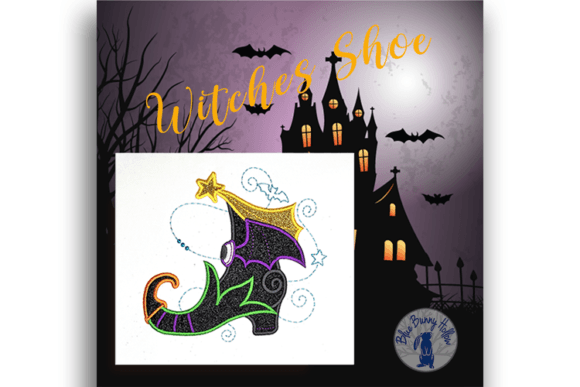
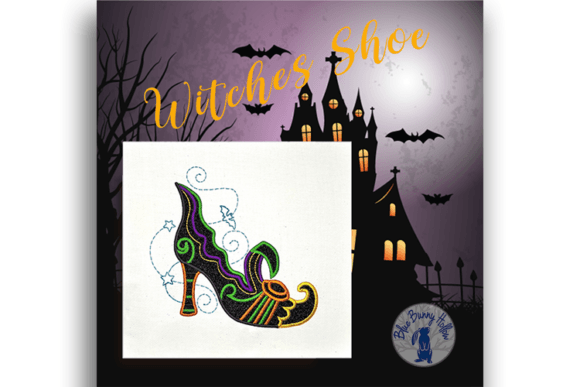
The initial visual impact of Witches Enchanted Shoes 1 is undeniably charming. The description notes a delightful blend of sweetness and spookiness, which is a difficult balance to strike in embroidery. Often, Halloween-themed designs lean too heavily into horror or become so cartoonish that they lose their appeal to adult consumers. This design appears to hit a sweet spot that feels playful yet polished. For a small business, this aesthetic versatility is crucial. It suggests that the design can work for a high-end bakery offering seasonal treats just as well as it might for a quirky gift shop.
From a design perspective, the "enchanted" aspect implies movement or magical elements, which translates to interesting stitch paths. However, as professionals, we must look past the preview image. Does the design maintain its integrity when scaled down? Is the line work clean enough to be read from a distance? These are the questions that determine if a file is merely decorative or truly functional for commercial embroidery projects.
Strategic Applications for Small Business Merchandise
When integrating Witches Enchanted Shoes 1 into your product line, context is everything. Here is how I envision this design performing across various merchandise categories:
- Embroidered Patches: This is perhaps the strongest use case. An embroidered patch allows for complex details without worrying about the stretch of the underlying fabric. You can create iron-on or velcro-backed patches featuring these shoes to sell as standalone accessories or to apply to denim jackets and tote bags.
- Apron Embroidery: For cafes, florists, or bakeries, staff uniforms are walking billboards. Placing this design on the chest pocket or lower corner of a canvas apron adds a seasonal touch that feels curated rather than generic. It enhances the brand identity by showing attention to detail.
- Tote Bag Design: Canvas totes are staples for handmade brands. The whimsical nature of the shoes pairs well with the rustic texture of canvas. Ensure you use a heavy cut-away stabilizer to prevent puckering, especially if the design has higher stitch density.
- Cap Embroidery: Using this on headwear requires caution. The curved surface of a cap distorts designs. If the shoes have intricate outlines, they may need simplification or resizing to fit comfortably on the front panel without wrapping around the sides.
By diversifying where you place the design, you maximize the value of the single digital embroidery file. It becomes a versatile asset rather than a one-time use graphic.
Technical Considerations and Production Challenges
While the aesthetic appeal is high, technical execution is where many small businesses stumble. Before running a full production batch, you must evaluate the physical constraints of Witches Enchanted Shoes 1. One major concern with themed designs is stitch density. If the "magical" elements involve dense satin stitches or complex fills, the design may become stiff or cause fabric distortion on lighter materials like t-shirts or thin linen.
I strongly advise testing the design on the exact fabric texture you intend to use. A design that looks crisp on stable cotton twill might look messy on a textured knit. Additionally, consider the color palette. The description mentions a blend of sweet and spooky, which often implies purples, oranges, blacks, and perhaps metallics. Ensure your thread colors have enough contrast. If the shoes are dark and the background elements are also dark, the design will lose definition, especially from a distance.
Another critical factor is size. If you plan to use this as a small chest logo or on a child’s garment, verify that the fine details do not collapse. Tiny lettering or thin outlines can easily break or become illegible if the design is scaled down too far. Always check the recommended hoop size provided with the file to ensure it fits your machine’s capabilities without requiring excessive re-hooping.
Enhancing Brand Identity and Customer Trust
Using a cohesive, high-quality design like Witches Enchanted Shoes 1 does more than just decorate a product; it builds trust. When customers see precise stitching and thoughtful design placement, they perceive the brand as professional and reliable. In the world of small business merch, perceived value is directly tied to pricing power. A well-executed embroidered item can command a higher price point than a printed equivalent because of the tactile quality and durability of embroidery.
Furthermore, seasonal designs help keep your brand relevant and engaging. They give customers a reason to return during specific times of the year. By offering limited-edition items featuring this design, you create urgency and exclusivity. Whether it is a printable mockup used for pre-orders or the actual physical item, the consistency of the visual presentation reinforces your brand’s narrative.
Designer Notes for Best Results
To ensure success with this design, follow these practical steps before committing to large-scale production:
- Test in Black and White: Before choosing vibrant threads, stitch the design out in black thread on white fabric. This reveals any issues with spacing, density, or readability without the distraction of color.
- Check Stabilizer Compatibility: Use the appropriate stabilizer for your fabric. For stretchy fabrics, a cut-away is essential. For stable wovens, a tear-away might suffice, but always test first.
- Create Client Mockups: If you are designing for a client, create a realistic printable mockup or digital composite showing the design on the final product. This manages expectations and ensures approval before stitching begins.
- Verify Licensing: Always confirm the commercial licensing terms of the embroidery file. Ensure you have the right to use it for physical goods and marketing materials.
- Inspect Finished Quality: After stitching, trim all jumps and loose threads meticulously. The professionalism of the final product is often determined by the finishing touches.
In conclusion, Witches Enchanted Shoes 1 offers a compelling option for businesses looking to add seasonal flair to their offerings. Its blend of whimsy and elegance makes it suitable for a wide range of applications, from patches to apparel. However, its success depends entirely on thoughtful execution. By paying attention to technical details like stitch density, fabric choice, and placement, you can transform this digital asset into a tangible driver of sales and brand loyalty. Remember, in embroidery, the magic is not just in the design, but in the precision of its creation.