Poison Apple: A Designer’s Review for Real Projects
As an embroidery designer who has spent countless hours digitizing, testing, and stitching out thousands of files, I approach every new machine embroidery design with a critical eye. It is not just about whether the image looks pretty on a screen; it is about how it behaves under the needle, how it wears after washing, and whether it adds genuine value to a finished product. Recently, I evaluated the Poison Apple design, and I want to share my practical insights for fellow crafters, Etsy sellers, and apparel decorators considering this file for their next project.
First Impressions: Mood and Visual Personality
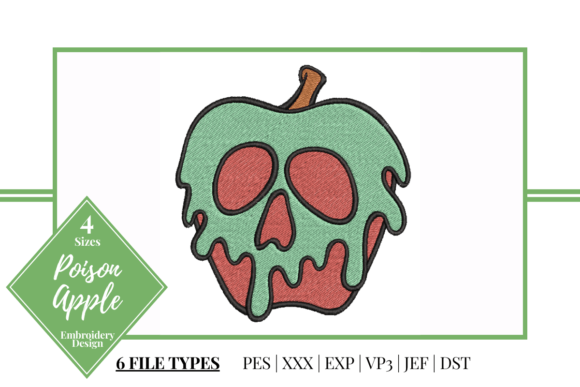
The first thing that strikes you about the Poison Apple is its immediate narrative power. It does not need explanation. The silhouette is iconic, evoking themes of fairy tales, mystery, and, naturally, Halloween. However, what makes this design versatile is that it does not feel cheap or cartoonish in a way that limits its use to a single holiday. There is a stylish accent to the layout that allows it to transition from spooky seasonal decor to edgy, modern fashion statements.
The shape is balanced, with a clear focal point that draws the eye. For a designer, this is crucial. When you are working with limited hoop space, you cannot afford wasted stitches or ambiguous shapes. The visual personality here is bold yet refined. It suggests danger and allure simultaneously, which is a difficult balance to strike in digital art. This duality means the design can work for a playful children’s item or a sophisticated adult accessory, depending entirely on your choice of thread colors and fabric.
Real-World Application: From Concept to Stitch
To truly test the viability of an embroidery file, I mentally place it into real-life scenarios. Let us consider a custom tote bag. Tote bags are staples for small shop products and craft fair merchandise. Using the Poison Apple on a heavy canvas tote creates a striking contrast. If you choose deep reds and purples for the apple against a natural beige fabric, the result is a high-end boutique look. It elevates the bag from a simple carrier to a statement piece.
Another strong candidate for this design is sweatshirt embroidery. Hoodies and crewnecks have become canvases for personalized expression. Placing this design on the left chest or as a larger back print works well. The key here is scale. Because the design has a strong central motif, it holds its own without needing excessive background filler. This keeps the garment comfortable, avoiding the stiff, plastic-like feel that comes from overly dense stitching.
I also see potential in home decor, specifically pillow covers or kitchen towels. For a Halloween-themed home, this design adds a touch of whimsical darkness without being gruesome. It fits seamlessly into a curated aesthetic that values storytelling. Whether you are creating a personalized gift for a friend who loves folklore or stocking your Etsy shop with seasonal items, the adaptability of this motif is its strongest asset.
Technical Considerations and Fabric Choices
While the aesthetic appeal is high, we must discuss the technical execution. The note that "colors can be altered based on the embroidery thread colors put in your machine" is vital. This design relies heavily on color contrast to define its shape. If you stitch a dark red apple on black fabric, you will lose the definition unless the design includes sufficient outlining or highlight stitches. Always test your thread choices on scrap fabric first.
Fabric texture plays a significant role in the final outcome. For smooth fabrics like cotton poplin or polyester blends, the satin stitch elements should lay flat and shiny, giving the apple a glossy, poisonous look. However, if you are working with textured fabrics like linen or terry cloth, you may need to adjust your stabilizer. A cut-away stabilizer is often safer for garments that will be washed frequently, ensuring the design does not pucker over time.
Be cautious with stretchy fabrics. If you are applying this to a baby onesie or a fitted tee, the stitch density must be appropriate. High-density fill stitches can cause thin, stretchy material to gather or distort. In such cases, consider using a lighter weight stabilizer and possibly reducing the pull compensation settings in your software if you have the ability to edit the file. If you are buying a pre-digitized file, check the recommended hoop size and stitch count to ensure it matches your machine’s capabilities.
Navigating Challenges: Small Hoops and Curved Surfaces
One area where designers must exercise caution is with small hoop sizes. If you attempt to shrink this design significantly to fit a small patch or a cap front, you risk losing detail. Tiny lettering or intricate corners can become clumps of thread if the resolution is too low for the physical size. Always inspect the design at 100% zoom on your computer before sending it to the machine. If the details look pixelated or crowded, the stitched result will likely be messy.
Curved surfaces, such as caps or hats, present another challenge. The curvature can distort the perspective of the design. For a cap, ensure the design is centered perfectly and that the stabilizer is hooped tightly with the fabric. A poorly stabilized cap embroidery can lead to shifting, where the apple appears skewed. For best results, use a firm backing and consider a topping if you are embroidering on textured caps like corduroy or twill.
Commercial Value and Brand Consistency
For Etsy sellers and creative entrepreneurs, the commercial viability of a design is paramount. The Poison Apple design offers strong potential for brand consistency if your shop leans towards mystical, gothic, or fairy-tale aesthetics. It helps build a recognizable visual language. Customers are drawn to cohesive collections. If you pair this design with other complementary motifs, you create a stronger brand identity.
Moreover, the perceived value of the finished product increases with clean, professional stitching. A well-executed embroidery project signals quality. It builds customer trust. When a buyer receives a sweatshirt or tote with crisp edges and vibrant colors, they are more likely to leave a positive review and return for future purchases. This design, when handled correctly, contributes directly to that perception of professionalism.
Practical Designer Notes for Best Results
- Test on Scrap Fabric: Never skip the test stitch. Use the same fabric and stabilizer combination you plan to use for the final product.
- Check Thread Contrast: Ensure your thread colors stand out against the fabric. High contrast enhances visibility and impact.
- Review Stitch Density: If the design feels too stiff, consider editing the density or using a lighter weight thread.
- Confirm Hoop Size: Make sure the design fits comfortably within your hoop with adequate margin for clamping.
- Inspect Small Details: Zoom in to check for tiny, isolated stitches that might cause bird nesting or breakage.
- Mockup Testing: Create digital mockups in both black and white to see how the design reads without color reliance.
- Licensing Verification: Always confirm the license terms. Ensure you have the right to use the design for commercial embroidery projects if you plan to sell finished items.
In conclusion, the Poison Apple is a compelling addition to any designer’s library. It balances thematic charm with practical applicability. By paying attention to fabric choice, stabilizer selection, and color theory, you can transform this digital asset into a stunning physical product. Whether for holiday embroidery or year-round boutique branding, it offers the versatility and visual punch needed to engage buyers and elevate your craft business.