Fortune Teller: A Designer’s Review for Halloween Sales
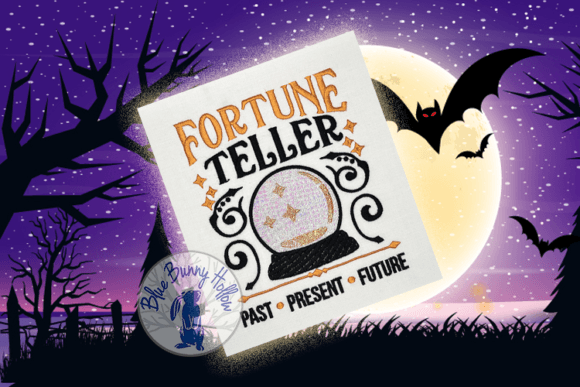
As an embroidery designer who has spent countless weekends standing behind booth tables, I know that not every design translates equally well from screen to sales. When I first loaded the Fortune Teller machine embroidery design into my software, my immediate goal was to determine if it had the visual punch required for a busy craft fair environment. This farmhouse Halloween embroidery design Fortune Teller is a delightful design that seamlessly combines a rustic farmhouse charm with the spooky allure of Halloween. With festive elements to fill your creative projects, it promises versatility, but does it deliver on production practicality? Here is my honest review from the perspective of someone who needs to move inventory.
First Impressions and Visual Appeal
The initial glance at Fortune Teller reveals a balance that is often difficult to achieve in seasonal designs. It avoids the overly cartoonish look that can sometimes cheapen a handmade product, opting instead for a whimsical yet refined aesthetic. The "farmhouse" descriptor is accurate; the lines feel organic and slightly rustic, which appeals to a broad demographic of buyers who want Halloween decor that fits their year-round home style. For a craft fair seller, this is crucial. You are not just selling to hardcore horror fans; you are selling to neighbors who want a subtle nod to the season on their kitchen linens.
The design feels bold enough to be seen from three feet away—a key metric for booth traffic—yet detailed enough to reward closer inspection. It strikes a chord between cute and elegant, making it suitable for both children’s items and sophisticated adult gifts. This duality increases its potential as a high-performing craft fair product because it casts a wider net for potential customers.
Product Suitability and Placement
When planning my booth display, I evaluated where Fortune Teller would perform best. The versatility of this embroidery file allows it to shine on various substrates, but some applications are stronger than others.
- Tote Bags and Market Bags: This is arguably the strongest application. A natural canvas tote with this design centered creates an instant bestseller. The tote bag design potential is high because shoppers love reusable bags that serve as both utility and statement pieces. The rustic elements complement the texture of canvas beautifully.
- Aprons and Tea Towels: For the kitchen-focused buyer, apron embroidery and tea towel embroidery are staple categories. Fortune Teller works well here, provided you manage the fabric texture. On waffle-weave towels, ensure the stitch density is sufficient to prevent the fabric from showing through too much, which can muddy the details.
- Embroidered Patches: If you offer add-on items, an embroidered patch version of this design is a low-commitment purchase for browsers. It allows customers to buy the aesthetic without committing to a large textile item.
- Pillow Covers: As a focal point on a neutral pillow cover, the design adds a seasonal pop without requiring the customer to store a bulky decorative item year-round.
For Etsy seller accounts, this design also translates well into digital listings. Creating a printable mockup that shows the design on various backgrounds can help online buyers visualize the scale and impact, bridging the gap between digital browsing and physical ownership.
Production Practicality for Small Shops
From a production standpoint, time is money. A small shop product must be efficient to produce in batches. Fortune Teller appears to be designed with repeatability in mind. The elements seem distinct, allowing for easy hooping and minimal trimming between color changes. However, before running a full batch, I always advise checking the stitch density. If the design is too dense, it can cause puckering on lighter fabrics like cotton tea towels. Conversely, if it is too light, it may lack presence on thicker materials like denim or canvas tote bags.
Photography is another critical factor. This design photographs exceptionally well because of its clear outlines and thematic clarity. For online listings, the contrast between the thread and the fabric will define the image quality. A dark thread on a light background, or vice versa, will make the finished product pop in thumbnail images, driving higher click-through rates for your commercial embroidery business.
Careful-Use Notes and Technical Considerations
While Fortune Teller is robust, there are technical nuances to consider to ensure professional results. Ignoring these can lead to wasted materials and frustrated customers.
- Fabric Texture and Stabilizer: Always use the right stabilizer. For textured towels, a cut-away stabilizer is often safer than tear-away to prevent distortion during washing. Test on scrap fabric first to see how the fabric texture interacts with the stitches.
- Thread Colors: The choice of thread colors can make or break the farmhouse vibe. Stick to muted, earthy tones or classic Halloween blacks and oranges with a vintage twist. Avoid neon threads unless you are aiming for a modern, pop-art look, which contradicts the rustic description.
- Small Details and Lettering: If the design includes any text or fine lines, be cautious when scaling down. Tiny details can get lost or become tangled if the design is resized beyond its intended limits. Check the minimum recommended hoop size to ensure clarity.
- Curved Surfaces: Embroidering on caps requires a different approach. The curved surface can distort wide designs. Ensure Fortune Teller fits within the usable area of a cap frame without wrapping around the sides, which can cause visibility issues.
- Dark Fabrics: If stitching on black or navy, consider using a topping or adjusting underlay stitches to prevent the fabric from peeking through the design elements.
Enhancing Brand Consistency and Buyer Engagement
Using Fortune Teller consistently across your product line can strengthen your brand identity. If you are known for rustic, handmade goods, this design reinforces that narrative. It acts as a cohesive element that ties together disparate items like patches, pillows, and bags. This consistency helps buyers recognize your booth or online shop, fostering trust and repeat business.
Furthermore, the emotional connection of Halloween drives impulse buys. A design that evokes nostalgia and charm, like Fortune Teller, encourages engagement. Customers are more likely to stop at a booth displaying warm, inviting Halloween decor than one with aggressive or generic imagery. It invites conversation, allowing you to share the story behind your design assets and the care put into each digital embroidery file selection.
Final Designer Verdict
Before launching Fortune Teller into your production queue, remember to verify the specific technical details. Since the provided description does not list exact stitch counts, file formats, or license terms, you must check these details in the original product listing. Confirm that the commercial embroidery license covers the volume of sales you anticipate. Create at least one real mockup on your intended primary fabric to judge the scale and thread contrast personally.
In summary, Fortune Teller is a strong contender for the upcoming season. It balances aesthetic appeal with production feasibility, making it a reliable choice for Etsy sellers and craft fair vendors alike. By paying attention to fabric choices, stabilizer types, and presentation, you can maximize its potential as a top-selling item in your handmade inventory.