Review: Stitching the Three Bees Design for Real Projects
As a designer who has spent countless hours hooping fabric and trimming jump stitches, I approach every new machine embroidery design with a mix of curiosity and caution. We have all been there: you download a file that looks perfect in the preview window, only to find it turns into a tangled mess on your actual garment. That is why I took a close look at Three Bees, not just as a digital asset, but as a potential centerpiece for client work and small shop inventory.
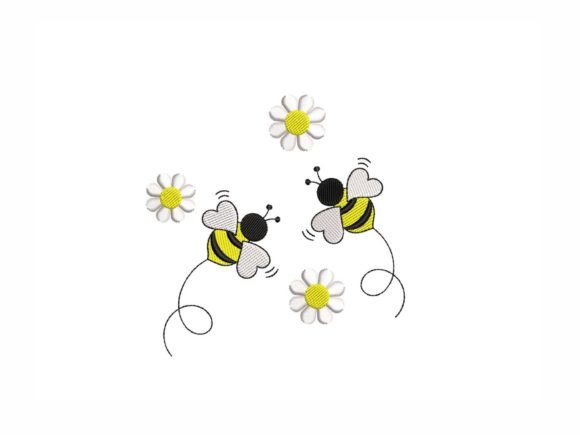
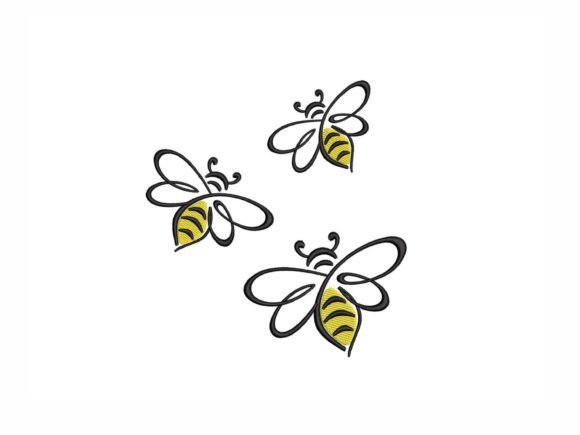
The first impression of this embroidery file is undeniably cheerful. The layout features three distinct bees, each captured in mid-buzz with intricate detail. What stands out immediately is the balance between vibrant colors and delicate wing structures. In the world of Bugs themed Embroidery, it is easy to fall into the trap of making creatures look cartoonish or overly stiff. However, this design manages to retain a sense of movement. The visual personality is friendly and approachable, making it an excellent candidate for projects that need to evoke warmth and joy.
Real-World Application: The Custom Tote Test
To truly evaluate a design, you have to imagine it on a finished product. I recently had a client request a set of reusable market bags for a local honey producer. This is where Three Bees naturally found its home. The composition is wide enough to serve as a focal point on a standard canvas tote without overwhelming the fabric. When I visualized the design stitched onto natural cotton canvas, the contrast between the golden yellows of the bees and the neutral background created immediate visual appeal.
For Etsy sellers and craft business owners, this kind of versatility is crucial. You are not just selling a stitch-out; you are selling a mood. This design fits seamlessly into the narrative of sustainable living, garden lovers, and eco-friendly gifting. It works equally well as a tote bag design or as a charming accent on a kitchen towel. The intricate detailing of the wings suggests quality, which helps build customer trust. When a buyer sees clean, well-defined stitches in a product photo, they perceive higher value.
Performance on Different Fabrics and Garments
While the design shines on stable fabrics like canvas or denim, its performance on stretchy or textured materials requires more attention. If you are planning to use this for sweatshirt embroidery or custom apparel, you must consider the stitch density. The description mentions "intricate detail," which often implies a higher number of stitches per square inch. On a heavy fleece hoodie, this is usually fine, but on a thinner jersey knit, it could cause puckering if not properly stabilized.
I would recommend using a cut-away stabilizer for any garment that will undergo frequent washing. For baby embroidery projects, such as onesies or bibs, ensure the back of the stitching is soft against the skin. You might need to use a tear-away stabilizer combined with a soft backing to prevent irritation. The delicate wings are a beautiful feature, but they are also the most vulnerable part of the design. On rougher textures like terry cloth towels, those fine details might get lost or snag. In such cases, testing on scrap fabric is non-negotiable.
Navigating Technical Challenges
One aspect of Three Bees that requires careful handling is the color transitions. The design relies on vibrant colors to capture the essence of the bees. If you are stitching on dark fabric, you must ensure your thread colors have enough contrast. A common mistake is using a yellow that is too pale against a navy blue shirt, causing the design to look washed out. I always advise checking your thread colors against the fabric swatch before committing to the final piece.
Additionally, consider the hoop size required. While the exact dimensions are not specified in the brief description, a design featuring three distinct figures typically needs a medium to large hoop to maintain proper spacing between the elements. Cramping them into a small 4x4 hoop could compromise the clarity of the wings and bodies. Always confirm the specific hoop compatibility with your machine before purchasing or downloading.
Commercial Viability and Brand Consistency
For small shop product lines, consistency is key. This design offers a professional look that can elevate a brand’s aesthetic. Whether you are creating holiday embroidery gifts for spring or summer collections, the bee theme is timeless. It appeals to a broad demographic, from children to adults who appreciate nature-inspired motifs. Using this as a digital embroidery file for sale requires clear licensing terms. Always verify whether the license allows for commercial use of finished items. Most designers allow you to sell physical products made with their files, but reselling the digital file itself is usually prohibited.
When creating printable mockup assets for your online store, remember that lighting plays a huge role in how satin and fill stitches appear. The "delicate wings" mentioned in the description likely utilize a combination of satin stitch borders and lighter fill stitch interiors. In photos, ensure the sheen of the thread is visible, as this highlights the quality of the work. This attention to detail in presentation can significantly boost buyer engagement.
Final Designer Notes
Before you run this design on a client’s expensive garment, follow these practical steps:
- Test on scrap fabric: Use the same material and weight as your final project to check for puckering or thread breaks.
- Check stitch density: If the design feels too dense, consider using a water-soluble topping to keep stitches from sinking into plush fabrics.
- Inspect small details: Zoom in on the wing connections. Ensure there are no excessive jump stitches that could unravel over time.
- Contrast check: View your thread chart against the fabric in natural light to ensure visibility.
- Licensing confirmation: Read the terms carefully. If you are an Etsy seller, ensure you are compliant with the creator’s rules for commercial sales.
In conclusion, Three Bees is a strong contender for anyone looking to add a touch of nature-inspired charm to their embroidery project. It balances aesthetic appeal with technical feasibility, provided you respect the nuances of fabric choice and stabilization. For handmade product creators, it offers a reliable way to produce high-quality, giftable items that resonate with customers. Just remember, the beauty of the final product lies not just in the design file, but in the care taken during the stitching process.