Review: Bees and Daisies Embroidery Design for Real Projects
As an embroidery designer who spends hours digitizing and testing files, I am always cautious about what I add to my library. When I first encountered Bees and Daisies on Creative Fabrica, I was drawn in by the promise of whimsy and intricate detailing. For those of us running small businesses or selling handmade goods, a design must do more than look cute on a screen; it must stitch out cleanly, hold up to washing, and appeal to buyers. This review breaks down how this specific Bugs category Embroidery file performs in real-world applications, from custom apparel to home decor.
First Impressions and Visual Mood
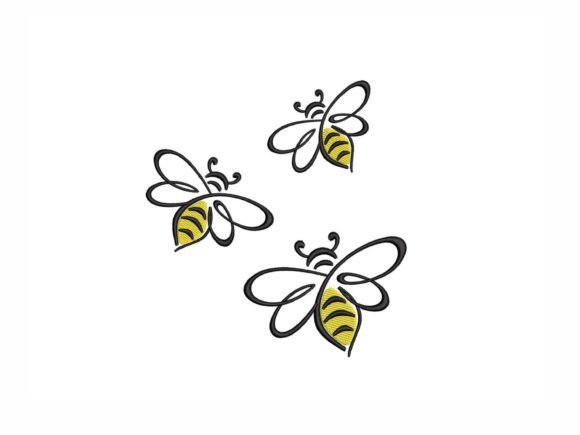
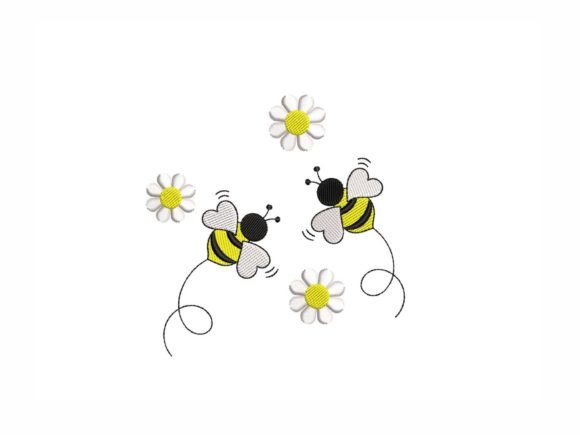
The initial appeal of Bees and Daisies lies in its ability to capture the essence of nature’s beauty. The design features bees nestled among daisies, creating a scene that feels both lively and serene. For a professional eye, the balance between the organic shapes of the flowers and the structured form of the bees is crucial. This design evokes a sense of whimsy that is currently trending in boutique merchandise and nursery decor.
What stands out immediately is the potential for texture. The intricate detailing suggests a mix of stitch types that can bring the scene to life. When evaluating a machine embroidery design, I look for visual depth. Does it look flat, or does it have dimension? Bees and Daisies appears to offer a layered look that translates well to fabric, making it a strong candidate for products where visual appeal drives sales, such as Etsy listings and craft fair displays.
Performance on Various Fabrics and Products
A versatile embroidery file should adapt to different substrates. I considered how Bees and Daisies would perform across several common projects:
- Tote Bag Design: Canvas bags are sturdy, allowing for denser stitching. This design could serve as a focal point on a natural cotton tote, appealing to eco-conscious buyers.
- Sweatshirt Embroidery: On fleece or cotton blends, the design needs to breathe. If the stitch density is too high, it can cause puckering. This whimsical motif fits well on the chest or sleeve of a custom apparel piece.
- Kitchen Towels and Aprons: These items undergo frequent washing. The durability of the stitches is paramount. A design featuring bugs and flowers must maintain its integrity after multiple cycles.
- Nursery Decor: Baby blankets and pillow covers benefit from soft, playful themes. The gentle nature of daisies makes this suitable for personalized gifts for newborns.
- Embroidered Patch: If scaled correctly, this could work as an iron-on or sew-on patch, adding value to denim jackets or hats.
For commercial embroidery users, consistency is key. Whether you are producing ten units or one hundred, the design must stitch out reliably. The charm of Bees and Daisies can enhance brand consistency if used as part of a seasonal collection, particularly for spring and summer lines.
Technical Considerations for Stitching
Before loading any digital embroidery file into your machine, technical due diligence is required. While the product description highlights intricate detailing, we must consider practical constraints.
Stitch Density and Fabric Type: Intricate designs often mean higher stitch counts. On stretchy fabrics like jersey knits, a heavy fill stitch can distort the material. It is essential to use the proper stabilizer. For lighter fabrics, a cut-away stabilizer might be necessary to support the weight of the thread. For woven fabrics like linen or cotton twill, a tear-away may suffice, but testing is non-negotiable.
Hoop Size and Placement: Always confirm the hoop size compatibility before purchasing. If you plan to use this on a cap, remember that curved surfaces require careful hooping and potentially a different stabilization approach than flat items. Small hoop sizes may limit where you can place the design, so check the dimensions provided on the Creative Fabrica product page.
Thread Colors and Contrast: The beauty of this design relies on color contrast. Bees typically require yellow and black threads, while daisies need white or cream with yellow centers. On dark fabric, you may need to adjust thread colors or use an underlay to ensure visibility. Reviewing thread colors in a printable mockup can save time and materials. Ensure that the satin stitch borders are tight enough to prevent gaps, and that the fill stitch areas are not so dense that they cause thread breaks.
Enhancing Product Value and Buyer Trust
In the world of handmade shops, presentation is everything. A well-executed Bees and Daisies embroidery can significantly boost the perceived value of a finished product. Customers associate intricate, clean stitching with quality craftsmanship. This builds buyer trust and encourages repeat business.
When creating listings for Etsy or your own website, high-quality photos of the stitched item are vital. The textured look of the bees and flowers provides excellent opportunities for close-up shots that highlight the detail. This visual appeal can drive customer engagement and increase conversion rates. Furthermore, using such a distinctive design helps differentiate your products from mass-produced items, reinforcing the unique value of your handmade brand.
Practical Steps Before Commercial Use
To ensure success with this design, follow these practical steps:
- Test on Scrap Fabric: Never run a new design directly on a customer’s garment. Use similar fabric scraps to test tension and registration.
- Check File Details: Verify the available formats (PES, DST, JEF, etc.) to ensure compatibility with your machine. Check the license terms on the Creative Fabrica product page to confirm you are allowed to sell finished physical items.
- Inspect Small Details: After stitching, inspect the tiny details of the bees’ wings and the daisy petals. Ensure there are no loose threads or missed stitches.
- Compare Mockups: Create digital mockups on both light and dark backgrounds to see how the design pops. This helps in marketing materials.
- Evaluate Washability: Wash your test piece to check for shrinkage or thread bleeding. This is critical for items like baby blankets and kitchen towels.
Remember, while the description mentions intricate detailing, it does not specify exact stitch counts or complex technical specs. Therefore, relying on your own testing is the safest route. If the design includes applique design elements, ensure you have the right fabric scraps on hand. If it relies heavily on running stitch for outlines, ensure your tension is balanced to prevent looping.
Final Verdict
Bees and Daisies offers a charming aesthetic that fits well within the current demand for nature-inspired handmade goods. For embroidery designers and small business owners, it represents a solid addition to a spring or summer collection. Its versatility across tote bags, apparel, and home decor makes it a useful asset. However, success depends on proper technical execution. By respecting the nuances of stitch density, stabilizer choice, and fabric type, you can transform this digital asset into a high-value physical product. Always prioritize testing and adhere to licensing guidelines to maintain a professional and trustworthy business practice.