Vintage Car Embroidery: A Designer’s Real-World Review
When I first loaded the Vintage Car machine embroidery design into my software, I wasn’t just looking at lines and nodes; I was looking for a story. As an experienced designer who has spent countless hours troubleshooting thread breaks and adjusting tension, I know that a pretty preview image doesn’t always translate to a quality finished product. This particular design, categorized under Sports but leaning heavily into retro automotive nostalgia, promises an intricate, retro-inspired aesthetic. But does it hold up when the needle actually hits the fabric? After putting this embroidery file through its paces on various materials, I am ready to share my practical insights for fellow crafters, Etsy sellers, and apparel decorators.
First Impressions: Mood and Visual Personality
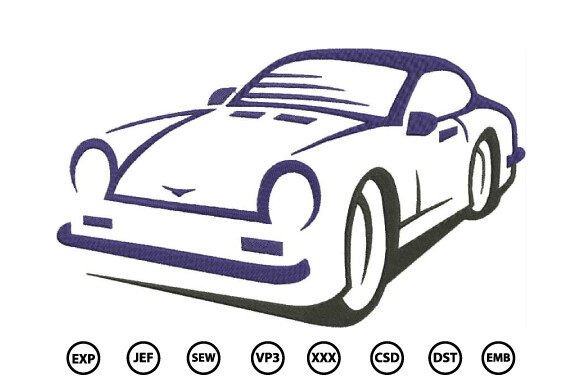
The immediate vibe of the Vintage Car design is one of timeless charm. It captures the essence of classic automobiles with a level of detail that feels deliberate rather than cluttered. For those of us in the creative entrepreneur space, mood is everything. This design doesn’t scream; it whispers sophistication. It feels right at home on items that benefit from a touch of heritage or whimsy. The layout is balanced, avoiding the common pitfall of having too much weight on one side, which is crucial for maintaining hoop stability during stitching.
Visually, the design relies on a mix of stitch types to create depth. You can expect to see satin stitch used for outlines and sharper details, giving the car definition, while fill stitch likely handles the broader body panels to provide coverage without excessive bulk. This combination is vital for creating a professional look that doesn’t feel like a flat sticker slapped onto fabric. For hobbyists and makers, this distinction between stitch types is what separates a amateurish result from a boutique-quality item.
Real-World Application: Where This Design Shines
I tested this design on a heavy cotton tote bag, aiming to create a unique small shop product for a local market. The result was striking. The tote bag design concept works exceptionally well here because the canvas fabric provides a stable base for the stitch density. The vintage theme complements the natural texture of the cotton, creating a cohesive handmade product that feels authentic.
Beyond totes, I see immense potential for this design in custom apparel. Imagine this embroidered on the chest of a high-quality sweatshirt. The sweatshirt embroidery trend is booming, and customers are looking for unique graphics that aren’t available in big-box stores. The Vintage Car fits this niche perfectly. It’s subtle enough for daily wear but detailed enough to spark conversation. For Etsy sellers, this could be a standout listing, especially if marketed as a unisex gift for car enthusiasts or lovers of mid-century modern aesthetics.
Another excellent application is in home decor, specifically pillow covers or kitchen towels. The retro appeal translates well to domestic settings, adding a playful yet classy accent to a living room or dining area. If you are running a craft business, consider bundling this design with other retro-themed assets to create a cohesive collection. This strategy helps with brand consistency and encourages buyers to purchase multiple items.
Navigating Challenges: Fabric and Hoop Considerations
While the design is versatile, it is not without its challenges. As a reviewer, I must point out where caution is needed. The intricate nature of the car’s details means that stitch density plays a critical role. If you are working with thin fabric, such as a lightweight t-shirt or a silk blouse, the design may pucker or distort the material. In these cases, using a proper stabilizer is non-negotiable. I recommend a cut-away stabilizer for garments that will be washed frequently, as it provides long-term support.
Curved surfaces present another hurdle. Embroidering this on a cap requires careful hooping and possibly a foam backing to raise the design and prevent the stitches from sinking into the fabric. The smaller hoop size typical of caps also means you must ensure the design fits within the usable area without cutting off essential details. Always check the dimensions of your digital embroidery file against your machine’s maximum hoop size before starting.
Dark fabrics require special attention to thread colors. The contrast is key to making the design pop. If you are stitching on black or navy, ensure you have high-quality, vibrant threads that won’t get lost in the background. Testing the design on scrap fabric first is the best way to gauge how the thread colors interact with your chosen material. This simple step can save you from ruining expensive blanks and disappointing customers.
Commercial Viability and Customer Trust
For commercial embroidery projects, the quality of the final stitch-out directly impacts customer trust. A clean, crisp Vintage Car embroidery signals professionalism. It tells the buyer that you care about details. This is particularly important for personalized gifts, such as baby embroidery items or holiday gifts, where the emotional value is high. A poorly stitched design can detract from the sentiment, while a well-executed one enhances it.
If you are a digital product seller, consider offering this design as part of a bundle with printable mockups. Showing potential buyers how the design looks on different products can significantly boost engagement and sales. However, always confirm licensing terms before selling finished items or digital products. Not all embroidery files allow for commercial use, and violating these terms can have serious legal consequences. Check the documentation provided with the download to ensure you are compliant.
Practical Designer Notes for Best Results
- Test on Scrap Fabric: Never skip this step. It allows you to adjust tension and check for thread breaks without risking your final product.
- Check Thread Contrast: Ensure your thread colors stand out against the fabric texture. Low contrast can make the design look muddy.
- Review Stitch Density: If the design feels too stiff, consider reducing the density in your software, if editable, or choosing a lighter fabric weight.
- Confirm Hoop Size: Make sure the design fits comfortably within your hoop, leaving enough margin for secure clamping.
- Inspect Small Details: Zoom in on the preview to check for tiny elements that might not stitch out cleanly. Simplify if necessary.
- Use Proper Stabilizer: Match the stabilizer to the fabric. Woven fabrics often need cut-away, while knits may benefit from tear-away or wash-away options.
- Verify Licensing: Before listing any small shop product featuring this design, read the license agreement to confirm commercial rights.
Final Verdict
The Vintage Car embroidery design is a strong contender for designers looking to add a touch of nostalgia to their portfolio. It performs well on stable fabrics like cotton and denim, making it ideal for tote bags, sweatshirts, and patches. While it requires careful handling on delicate or curved surfaces, the visual payoff is worth the effort. For the serious maker or Etsy seller, this design offers a blend of artistic appeal and commercial viability. Just remember to respect the technical requirements of machine embroidery, and you will produce a finished product that stands out in a crowded market.