Peachy Keen: A Designer’s Review for Craft Fairs
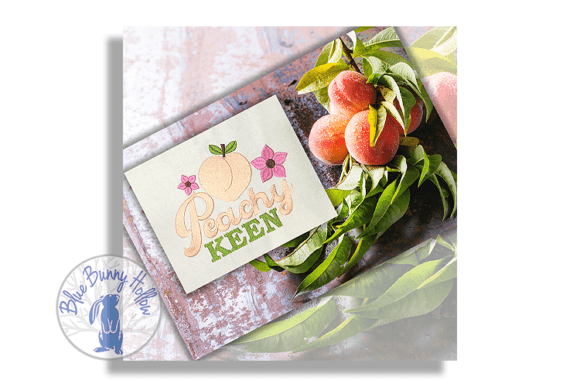
As an embroidery designer who has spent countless weekends behind a booth table, I know that the difference between a browser and a buyer often comes down to visual impact. When I first loaded the Peachy Keen design into my software, my immediate thought was about its potential as a high-converting craft fair product. This isn't just another generic motif; it is a strategic asset for any Etsy seller or boutique maker looking to capture attention in a crowded market. The design features a luscious peach surrounded by charming flowers, exuding a warm and inviting aura that feels both nostalgic and modern.
First Impressions: Warmth and Visual Appeal
The aesthetic of Peachy Keen leans heavily into the "cottagecore" and modern farmhouse trends that continue to dominate the handmade sector. It feels soft, decorative, and undeniably cute without crossing into childish territory. For a small shop product, this balance is crucial. You want something that appeals to adults looking for home decor or personal accessories, not just children’s items. The combination of fruit and flora creates a natural harmony that reads well from a distance. In a busy craft fair environment, where customers are scanning tables quickly, the bold shape of the peach acts as an anchor, while the surrounding flowers add the intricate detail that signals quality Embroidery.
Strategic Product Placement for Maximum Sales
Not every design works on every item. Part of being a successful creative entrepreneur is knowing where your digital embroidery file will shine. Based on the composition of Peachy Keen, here is how I would deploy it across a product line:
- Tote Bag Design: This is arguably the strongest candidate. A canvas tote with Peachy Keen centered offers a large enough canvas for the details to breathe. It transforms a simple bag into a statement piece, perfect for farmers' market shoppers who appreciate the Food theme.
- Apron Embroidery: Kitchen textiles are perennial bestsellers. Placing this design on the bib of a linen or cotton apron creates an instant emotional connection. It suggests warmth, hospitality, and home cooking.
- Tea Towel Embroidery: For a more subtle approach, scaling down the design for a set of tea towels can create a lovely gift set. However, caution is needed regarding scale, which I will address later.
- Embroidered Patch: If the design holds up at a smaller size, turning it into an iron-on or sew-on patch allows customers to customize their own jackets or bags, adding versatility to your inventory.
- Pillow Covers and Pouches: These items benefit from the "charming flowers" aspect, making them ideal for spring and summer collections.
Production Practicality and Batch Efficiency
When preparing for a weekend market, time is money. A design like Peachy Keen needs to be efficient to produce in batches. From a production standpoint, the organic shapes of the peach and flowers are forgiving. Unlike geometric designs that require perfect alignment, slight variations in fabric tension are less noticeable in natural forms. This makes it a reliable choice for consistent finished product quality.
However, you must consider stitch density. Fruit designs often use satin stitches or fill stitches to create a smooth, luscious look. If the density is too high, it can cause puckering, especially on lighter fabrics like tea towels. Conversely, if it is too low, the fabric might show through, ruining the premium look. I recommend running a test stitch-out on your intended fabric before committing to a full batch. This ensures that the thread colors pop against the background and that the design lays flat.
Navigating Technical Challenges
While Peachy Keen is visually striking, there are technical considerations to keep in mind to avoid costly mistakes. First, consider the hoop size. Ensure that the design fits comfortably within your standard hoop without requiring excessive re-hooping, which slows down production. If the design includes tiny details in the flower petals, these may get lost if the design is scaled down too far for small pouches or caps.
Fabric texture plays a significant role here. Textured towels or thick denim can obscure fine details. For these materials, you might need to adjust the underlay or choose a slightly larger version of the design. Additionally, when working with curved surfaces like caps, the distortion can alter the appearance of the peach. Always use the appropriate stabilizer—cut-away for stretchy fabrics and tear-away for stable wovens—to maintain the integrity of the design.
Another critical factor is color contrast. On dark fabrics, the lighter tones of the peach might not stand out unless you use a bright underlay or select high-contrast thread colors. Always create at least one real mockup on the actual fabric you plan to sell. Digital previews can be misleading; seeing the machine embroidery design in physical form reveals true clarity and appeal.
Boosting Brand Consistency and Online Presence
Beyond the physical booth, Peachy Keen is a powerful tool for your online presence. For an Etsy seller, having cohesive design assets is key to brand recognition. This design’s warm aura translates beautifully into printable mockup listings. Use high-quality photos of the embroidered tote bags and aprons to show the texture and depth of the stitches. Highlight the "luscious" quality of the peach in your product descriptions to evoke sensory appeal.
Consistency builds trust. If you use Peachy Keen across multiple products—towels, bags, and patches—you create a mini-collection. Customers are more likely to buy multiple items if they see a coordinated look. This strategy increases the average order value and strengthens your brand identity as a curator of warm, inviting home goods.
Final Verdict for Creative Entrepreneurs
In my professional opinion, Peachy Keen is a strong contender for any commercial embroidery portfolio. It balances aesthetic charm with practical application. It is easy to understand at a glance, which is vital for impulse buys at craft fairs. The design feels repeatable, allowing for efficient batch production without sacrificing the handmade quality that customers crave.
Before you launch, remember to check the specific license terms of your digital embroidery file. Ensure you have the rights for commercial use if you plan to sell finished products. Verify the recommended hoop size and stitch count provided by the designer to optimize your machine settings. By treating this design with the technical respect it deserves—testing on scrap fabric, checking spacing, and selecting the right stabilizer—you can turn Peachy Keen into a staple of your seasonal lineup. It is not just a design; it is an invitation to bring a touch of warmth and creativity into your customers' lives, one stitch at a time.