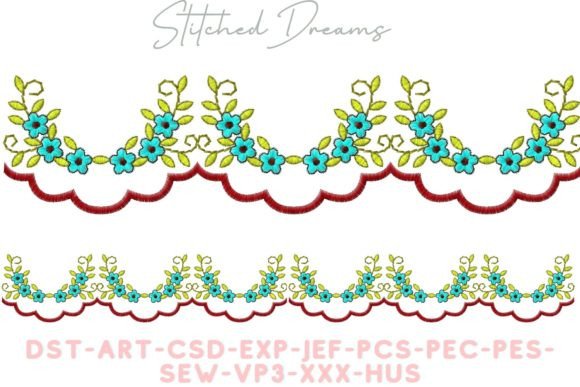
Floral Borders: A Designer’s Review for Craft Fairs
As an embroidery designer who has spent countless weekends behind a booth table, I know that not every machine embroidery design translates well to the retail environment. Some look beautiful on a screen but fail to catch the eye of a passerby. Today, I am reviewing Floral Borders, a digital asset that promises a fusion of elegant borders and enchanting floral motifs. My goal is to determine if this design holds up under the harsh lighting of a craft fair and whether it can drive sales for handmade shop owners and Etsy sellers alike.
First Impressions: Elegance Meets Marketability
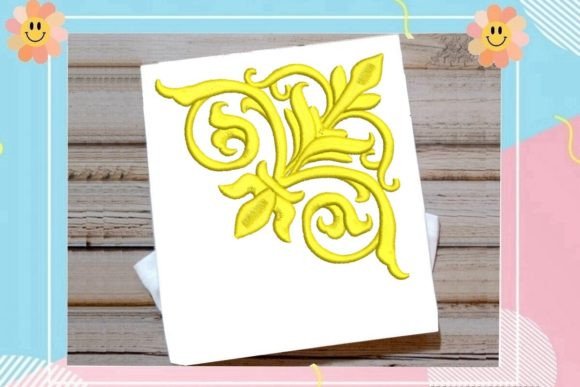
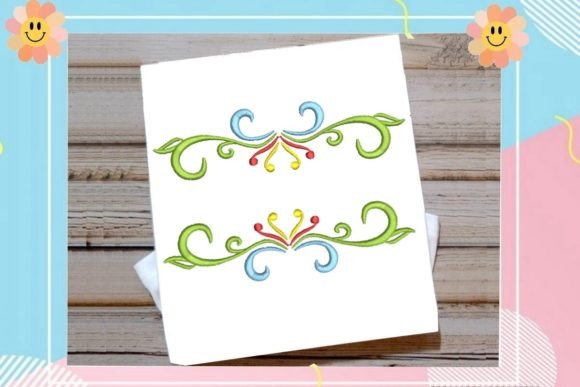
The product description highlights "timeless grace and sophistication," which immediately sets a tone. In the crowded world of handmade goods, standing out often requires a balance between trendiness and classic appeal. Floral Borders leans heavily into the latter. It does not scream for attention with neon colors or quirky fonts; instead, it invites closer inspection. For a boutique maker, this is a significant advantage. It suggests a premium feel, suitable for customers looking for giftable handmade items rather than impulse buys.
When I visualize this design on a display table, I see it working best as a framing element. Unlike central motifs that dominate a garment, border designs offer versatility. They can frame a monogram, accent a hemline, or create a decorative edge on home decor. This subtlety allows the embroidery file to serve as a supporting actor that elevates the entire finished product.
Product Applications for Maximum Impact
To truly evaluate Floral Borders, we must consider where it lives. A design is only as good as the substrate it adorns. Here is how I see this performing across various craft fair products:
- Tote Bags and Market Bags: This is arguably the strongest application. A tote bag design featuring a floral border along the bottom hem or framing the handles adds immediate value. It transforms a basic canvas bag into a curated accessory. The linear nature of the border complements the rectangular shape of most totes, creating a balanced aesthetic that photographs beautifully for online listings.
- Aprons and Tea Towels: For kitchen textiles, elegance sells. An apron embroidery using this border along the bib or waistband creates a cohesive, professional look. Similarly, tea towel embroidery benefits from border designs that run parallel to the edges. However, one must be cautious with textured towels; the intricate patterns mentioned in the description may get lost if the fabric texture is too plush.
- Pillow Covers and Home Decor: Framing a pillow insert with a floral border creates a custom, high-end appearance. This appeals to customers decorating their homes who want unique pieces not found in big-box stores. The "sophistication" noted in the description aligns perfectly with modern farmhouse or cottage-core interior trends.
- Embroidered Patches: While borders are typically linear, they can be adapted into rectangular or oval patches. These small items are excellent add-on sales at booths. An embroidered patch with a delicate floral edge can be ironed onto denim jackets or hats, offering a low-commitment purchase for hesitant buyers.
Production Practicality and Batch Selling
For any Etsy seller or small shop owner, time is money. The viability of Floral Borders depends on its production efficiency. Border designs are generally favorable for batch production because they often require less re-hooping than all-over prints. If the design is optimized for standard hoop sizes, you can stitch multiple items in a single session.
However, the description mentions "intricate patterns." This raises a flag regarding stitch density. High-density designs take longer to stitch and consume more thread. Before committing to a large run of commercial embroidery products, you must test the design on scrap fabric. Check if the density causes puckering, especially on lighter fabrics like cotton voile or linen. If the design is too dense, it may stiffen the fabric, reducing the drape and comfort of wearables like aprons or caps.
Photography is another critical factor. Does the design hold up in a printable mockup? Border designs often look stunning in flat-lay photos because they create natural leading lines that draw the viewer’s eye into the center of the image. This can significantly boost engagement on social media and improve click-through rates for your digital embroidery file listings or physical product pages.
Careful-Use Notes and Technical Considerations
While Floral Borders exudes grace, technical execution is paramount. Here are specific areas where caution is advised:
- Fabric Choice: Intricate details can disappear on thick, textured fabrics like terry cloth or heavy wool. Ensure there is sufficient contrast between the thread colors and the fabric. On dark fabric, use bright or metallic threads to maintain visibility.
- Curved Surfaces: Applying a linear border to a curved cap surface requires careful digitizing or placement. If the design is not specifically adjusted for caps, it may distort. Always test on a curved stabilizer before selling.
- Scale and Clarity: If you plan to use this as a small accent, verify that the "enchanting floral motifs" do not merge into a blob. Tiny details may break or look messy at smaller scales. Confirm the minimum viable size with your machine.
- Stabilizer Selection: To maintain the "timeless grace" and prevent distortion, use the correct stabilizer. Cut-away stabilizers are often best for garments that will be washed frequently, while tear-away may suffice for home decor items that undergo less stress.
Enhancing Brand Consistency and Visual Appeal
Using a cohesive design language helps build brand recognition. If your shop specializes in elegant, feminine, or rustic goods, Floral Borders reinforces that identity. It acts as a visual signature. When customers see that same elegant border on a tote, a pillow, and a pouch, they recognize the quality and style associated with your brand.
Furthermore, this design supports higher price points. A plain tote bag might sell for $15, but one adorned with sophisticated, intricate embroidery can command $30 or more. The perceived value increases because the customer sees the labor and artistry involved. This is crucial for small shop products competing against mass-produced alternatives.
Final Verdict for the Creative Entrepreneur
Before you load this design assets into your software, remember to check the specific file formats and license terms. Ensure you have the right commercial licensing to sell finished products. Test the design on various fabrics to gauge how the "intricate patterns" interact with different weave structures. Compare fabric colors to find the combinations that make the floral elements pop.
In conclusion, Floral Borders appears to be a strong contender for makers focusing on quality and elegance. It offers versatility across multiple product categories, from handmade product lines to home decor. By paying attention to stitch density, fabric choice, and placement, you can leverage this design to create standout items that resonate with customers seeking timeless beauty. For the experienced designer, it is not just about stitching a pattern; it is about curating an experience. This design, when executed with care, has the potential to become a staple in your craft fair repertoire.