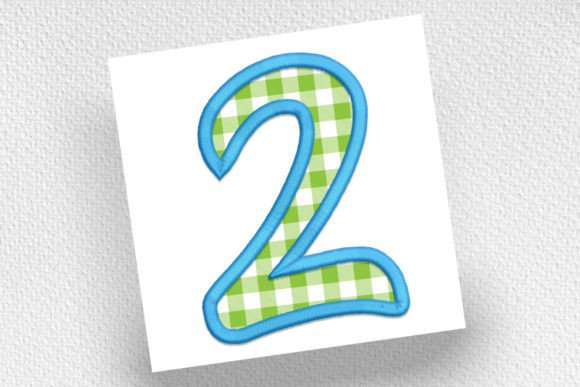
Applique Number 2: A Designer’s Review for Craft Fairs
As an experienced embroidery designer who has spent countless weekends behind a booth table, I know that not every machine embroidery design is created equal when it comes to retail success. Some designs look beautiful on a screen but fail to catch the eye of a passerby. Others are so complex they slow down production, eating into your profit margins. Today, I am reviewing Applique Number 2, a versatile Embroidery Design that promises to add a personalized touch to various items. My goal is to determine if this asset belongs in the toolkit of serious Etsy sellers and craft fair vendors.
First Impressions and Visual Appeal
When I first loaded the file to test its potential, my immediate impression was one of balanced simplicity. In the world of Work and commercial Embroidery, clarity is king. Applique Number 2 does not rely on thousands of tiny stitches to make its point. Instead, it uses the bold contrast of fabric against thread to create visual interest. This makes it feel modern yet timeless, fitting comfortably into farmhouse, minimalist, or boutique aesthetics depending on your material choices.
For a craft fair seller, the "three-second rule" is critical. Can a customer walking past your booth understand what the product is and why it is special in three seconds? Because applique designs utilize large areas of solid fabric, they stand out from a distance much better than dense satin stitch logos. Applique Number 2 has the structural integrity to serve as a focal point on a tote bag or a subtle accent on a pocket, giving you flexibility in your product line.
Product Versatility for Handmade Markets
The true value of any digital embroidery file lies in its adaptability. Here is how Applique Number 2 performs across common craft fair product categories:
- Tote Bags and Market Bags: This is perhaps the strongest application. The flat surface of canvas or cotton allows the applique to lay smooth. It transforms a basic bag into a high-value tote bag design that customers love for grocery runs or beach days.
- Aprons and Tea Towels: For kitchen-themed booths, this design shines. Apron embroidery benefits from durable stitching, and tea towel embroidery requires a design that survives frequent washing. The applique technique, when secured properly, holds up well to utility use.
- Embroidered Patches: If you cut the excess fabric close to the stitch line, this design works beautifully as an iron-on or sew-on patch. Patches are low-cost, high-margin small shop product staples that appeal to younger demographics.
- Caps and Hats: Caution is needed here. Curved surfaces can distort applique shapes. If you choose to use Applique Number 2 on caps, ensure the design is small enough to fit the front panel without wrapping around the sides.
Production Efficiency and Batch Selling
One of the biggest advantages of using an applique-based embroidery file is speed. Unlike full-coverage embroidery which can take thirty minutes or more, applique designs often run faster because the machine stops for you to place the fabric, then only stitches the border and tack-down lines. This efficiency is crucial for commercial embroidery where time is money.
When preparing for a busy holiday market, being able to produce twenty units of a finished product in an afternoon rather than two days is a game-changer. Applique Number 2 feels repeatable. The steps are consistent: hoop stabilizer, stitch placement line, place fabric, stitch tack-down, trim, stitch border. This rhythm allows for batch production, ensuring every item looks uniform and professional.
Photography and Online Listings
For those of us who also sell online, visual presentation is everything. Applique designs photograph exceptionally well because they create texture and depth. When creating a printable mockup or taking photos for your Etsy listings, the contrast between the applique fabric and the base garment provides natural shadows and highlights. This makes your design assets look premium and tangible, even through a screen.
Technical Considerations and Careful Use
While Applique Number 2 is user-friendly, there are technical nuances to consider before you start selling. Ignoring these can lead to wasted materials and unhappy customers.
- Fabric Texture: Avoid highly textured fabrics like thick terry cloth unless you use a very dense zig-zag or satin border. The applique edge may get lost in the pile. Smooth cottons, linens, and canvas are ideal.
- Stitch Density: Check the border density of the file. If it is too sparse, the raw edges of your applique fabric may fray over time. If it is too dense, it may pucker lightweight fabrics. Always test on scrap fabric first.
- Dark Fabric Challenges: If placing this design on dark garments, ensure your thread colors have high contrast. A dark thread on a dark applique fabric will render the design invisible from a distance.
- Stabilizer Selection: Because applique involves multiple layers of fabric, proper stabilization is non-negotiable. Use a cut-away stabilizer for stretchy fabrics like t-shirts and a tear-away for stable wovens like tote bags to prevent distortion.
Maximizing Brand Consistency and Value
Using a cohesive design like Applique Number 2 across different products helps build brand recognition. If a customer sees the same stylistic number or shape on a pillow cover, a pouch, and a tote, they begin to associate that aesthetic with your brand. This consistency increases perceived value. Customers are often willing to pay more for a coordinated set of handmade goods than for disparate items.
Furthermore, the handmade quality of applique is immediately apparent. It signals to the buyer that care was taken in cutting and placing the fabric, distinguishing your work from mass-produced printed items. This tactile quality is your biggest selling point at a physical market.
Final Designer Notes
Before you commit to a large production run, treat Applique Number 2 with the respect it deserves as a core business asset. Hoop your stabilizer tightly. Test different thread colors to see which combinations pop against your chosen fabrics. Verify the hoop size requirements to ensure it fits your machine’s capabilities. Most importantly, confirm the commercial licensing terms included with the digital embroidery file. While many designers allow commercial use of finished products, rules vary regarding sharing the file itself.
In conclusion, Applique Number 2 is a strong contender for any embroidery business owner looking to expand their handmade product line. It balances aesthetic appeal with production practicality, making it a reliable choice for both weekend warriors and full-time Etsy sellers. By focusing on high-contrast fabrics and clean finishing, you can turn this simple design into a bestseller at your next craft fair.