Magnolia Embroidery: A Designer’s Holiday Review
As an embroidery designer who spends countless hours analyzing stitch paths and color palettes, I approach every new machine embroidery design with a critical eye. It is not just about whether the image looks pretty on a screen; it is about how that design translates into a tangible, high-quality finished product that sells. When I first loaded the Magnolia file into my software, I was immediately struck by its potential for seasonal collections. This is not just another floral motif; it is a statement piece that bridges the gap between rustic charm and elegant sophistication.
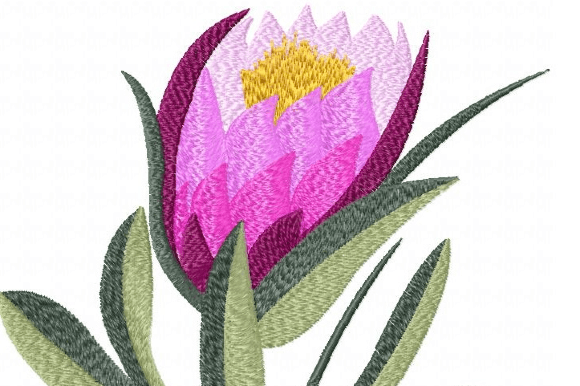
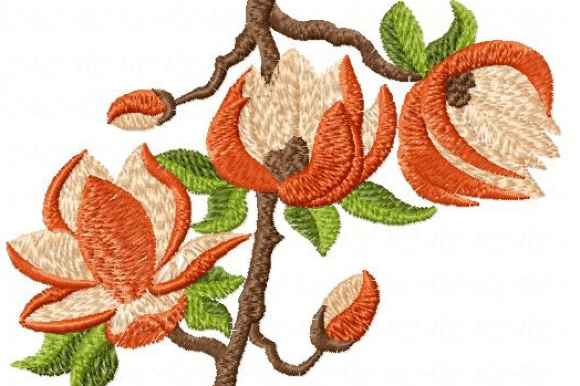
The Magnolia design delves into the captivating world of nature’s beauty, infused with a brilliant array of vibrant colors. For those of us creating seasonal embroidery lines, this versatility is gold. Whether you are an Etsy seller looking to refresh your shop for spring or a small business owner preparing for holiday gift bundles, understanding the nuances of this design is crucial for maximizing its commercial value.
First Impressions: Mood and Aesthetic Appeal
The immediate emotional tone of the Magnolia design is one of refined nostalgia. It feels both timeless and fresh, which is a rare combination in digital assets. The petals are rendered with enough detail to show depth, yet the overall composition remains clean enough to avoid becoming muddy when stitched out. This balance makes it feel premium rather than cluttered.
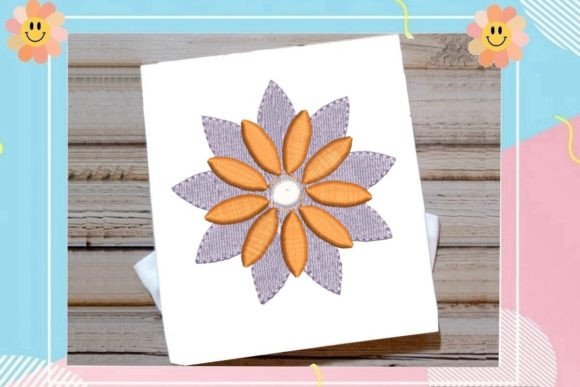
In terms of decorative style, Magnolia leans towards the romantic and elegant side of the spectrum. However, because it falls under the Single Flowers category, it retains a simplicity that allows it to be playful or rustic depending on your thread choices. For holiday embroidery, this adaptability is essential. You can swap soft pastels for a spring collection or switch to deep burgundies and forest greens for a winter holiday vibe. The design does not dictate the season; your thread palette does.
Strategic Product Placement for Maximum Sales
When planning a small shop product line, context is everything. I reviewed Magnolia specifically for its performance on various substrates commonly used in handmade gifts. Here is where this design shines:
- Sweatshirt Embroidery: The design scales beautifully on chest pockets or as a larger back piece. On fleece or cotton blends, the vibrant colors pop against neutral backgrounds, making it a top seller for personalized gifts.
- Tote Bag Design: Canvas bags provide a sturdy foundation. The Magnolia motif works exceptionally well here, offering a chic, botanical aesthetic that appeals to eco-conscious shoppers looking for reusable, stylish accessories.
- Kitchen Towel Embroidery: For home decor enthusiasts, placing this flower on waffle weave or linen towels adds a touch of luxury. It transforms a utilitarian item into a giftable keepsake, perfect for housewarmings or Mother’s Day.
- Pillow Cover Accents: Centered on a square pillow cover, Magnolia becomes a focal point. It pairs wonderfully with textured fabrics like velvet or heavy cotton, enhancing the cozy, inviting feel of living spaces during the holidays.
- Embroidered Patch: If you offer appliqué or patch services, this design’s defined edges make it ideal for iron-on or sew-on patches, adding value to denim jackets or backpacks.
For commercial embroidery businesses, these applications represent diverse revenue streams. By offering the same design across different products, you create brand consistency while appealing to varied customer needs.
Navigating Technical Challenges and Fabric Textures
While Magnolia is visually stunning, a professional review must address technical limitations. Not every fabric behaves the same way, and ignoring fabric texture can lead to disappointing results. Here are areas where caution is required:
Stitch Density and Small Hoop Sizes: If you are working with a smaller hoop size, ensure that the intricate details of the petals do not become too dense. High stitch density on small hoops can cause puckering, especially on lighter fabrics. Always check the stitch count and density settings in your software before hitting start.
Dark Fabric and Thread Colors: The design relies on vibrant colors. On dark garments, you may need to add an underlay or use metallic thread to highlight specific elements. However, be cautious with metallic threads as they can be brittle and prone to breaking if the tension is not perfectly calibrated.
Stretchy Garments and Curved Caps: Embroidering on stretchy materials like jersey knits or curved caps requires a robust stabilizer strategy. Without proper stabilization, the Magnolia design may distort after washing. I recommend using a cut-away stabilizer for garments that will undergo repeated laundering to maintain the integrity of the embroidery.
Enhancing Seasonal Appeal and Buyer Emotion
The true power of the Magnolia design lies in its ability to evoke emotion. During holiday shopping periods, buyers are not just purchasing an item; they are buying a feeling. This design exudes warmth and care, which directly influences perceived product value. When customers see a well-executed Magnolia on a personalized gift, they perceive it as high-effort and high-quality.
This emotional connection drives engagement. Social media previews featuring this design often perform well because flowers are universally appealing. A printable mockup showing Magnolia on a cozy sweater or a festive table runner can significantly boost click-through rates for your digital embroidery file listings or finished goods.
Practical Designer Notes for Execution
To ensure your final products meet professional standards, follow these practical steps:
- Test Thread Colors: Always stitch a sample on both light and dark fabrics. The way light interacts with the thread can change the visual impact of the vibrant colors mentioned in the product description.
- Verify File Details: Since specific technical data like exact stitch count or file format was not provided in the initial brief, you must check these details in your embroidery software before purchase or production. Confirm compatibility with your machine.
- Review Small Details: After stitching, inspect the petal tips and center details. If any areas look loose or tangled, adjust your tension or stabilize differently before producing bulk orders.
- Plan Matching Palettes: Create coordinated color palettes for your seasonal collections. For example, pair Magnolia with complementary foliage designs to create bundled sets for higher average order values.
- Confirm Licensing: Before selling any handmade gift items featuring this design, verify the commercial licensing terms associated with the embroidery file. Protecting your business from copyright issues is as important as the quality of your stitching.
In conclusion, the Magnolia design is a versatile and emotionally resonant addition to any embroidery portfolio. It transcends simple decoration, becoming a tool for storytelling and brand building. By understanding its technical requirements and leveraging its aesthetic flexibility, you can create standout products that resonate with customers throughout the year. Whether for a spring refresh or a holiday special, Magnolia offers the elegance and charm needed to elevate your Single Flowers collection and drive sales in a competitive market.