Gardening is Dirt Cheap Therapy: A Designer’s Review
As a designer who spends more time staring at stitch simulations than actual soil, I have learned that the best embroidery design concepts often come from the simplest truths. When I first loaded Gardening is Dirt Cheap Therapy into my software, I was not just looking for a pretty picture. I was looking for a narrative that could translate well onto fabric. This piece, categorized under Outdoor Quotes, captures a sentiment that resonates deeply with anyone who finds peace in planting seeds. But does it hold up under the needle? Let us break down how this design performs in real-world embroidery projects.
First Impressions and Visual Personality
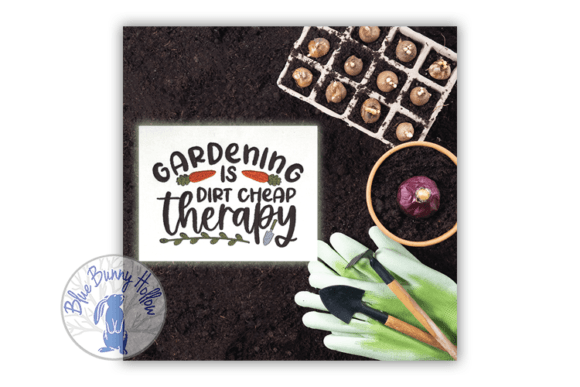
The immediate appeal of Gardening is Dirt Cheap Therapy lies in its balance. It is not overly complex, which is a blessing for production speed, yet it possesses enough character to stand out as a finished product. The layout suggests a harmonious blend of typography and organic elements. For a designer, this means the visual weight is distributed in a way that prevents the hoop from feeling lopsided. The mood is serene, inviting, and slightly whimsical, making it an ideal candidate for products aimed at relaxation, self-care, and nature lovers.
When evaluating the detail level, I look for potential snag points. This design appears to avoid excessive micro-detailing in favor of bold, clear shapes. This is crucial for maintaining stitching clarity, especially when scaling the design for different hoop size constraints. The visual personality feels grounded and authentic, avoiding the generic clip-art aesthetic that plagues many digital marketplaces.
Real-World Application: The Tote Bag Test
To truly understand the value of a design, you must imagine it on a physical item. I recently considered this design for a custom tote bag design project for a local botanical garden fundraiser. The concept was simple: sturdy canvas bags featuring this quote to promote mental wellness through gardening. Here, the Gardening is Dirt Cheap Therapy design shined. The text legibility remained high even from a distance, and the accompanying graphical elements provided enough texture to make the bag feel premium without requiring hours of machine time.
This scenario highlights why this design works so well for small shop product lines. It appeals to a broad demographic. Whether you are an Etsy seller looking to expand your spring collection or a boutique owner creating branded merchandise, the universal appeal of gardening therapy translates into higher buyer engagement. It is not just a decoration; it is a conversation starter.
Versatility Across Product Lines
Beyond tote bags, this design demonstrates remarkable versatility across various custom apparel and home goods. Consider its application on a heavyweight cotton sweatshirt. Sweatshirt embroidery requires designs that can punch through thicker fabrics without causing puckering. Because this design likely utilizes a mix of fill stitch for larger areas and satin stitch for borders or text, it sits well on fleece or French terry. The result is a tactile, high-quality finish that customers associate with professional craftsmanship.
For those interested in baby embroidery, this design could be adapted for nursery decor, such as pillow covers or wall hangings. The gentle message aligns perfectly with the calming aesthetic parents seek for children’s spaces. However, when moving to smaller items like embroidered patch creations or caps, one must be cautious. Curved surfaces like cap fronts distort designs if they are too wide. If you plan to use this on headwear, ensure you check the width dimensions against your standard cap hoop limits.
Kitchen textiles are another strong category. An apron featuring this quote makes for a thoughtful personalized gift. The durability of the stitches on twill or canvas aprons ensures the design survives frequent washing, adding to the perceived value of the handmade product.
Technical Considerations and Fabric Choices
No design is universal, and practical judgment requires knowing where Gardening is Dirt Cheap Therapy might struggle. Fabric texture plays a significant role in the final outcome. On highly textured fabrics like linen or waffle knit, fine details can get lost. If you are stitching on these materials, consider using a heavier weight thread or adjusting the stitch density if your software allows for edits. Conversely, on thin or stretchy fabrics, proper stabilization is non-negotiable. A cut-away stabilizer is recommended for garments that will be worn and washed regularly to prevent distortion over time.
Color selection is another critical factor. While the design may come with suggested thread colors, do not be afraid to experiment. High contrast is key for readability. If you are stitching on dark fabric, ensure your text elements are light enough to pop. I always advise running a test on scrap fabric first. Check how the running stitch outlines hold up and whether the fill areas lay flat. Testing in black and white mockups can also reveal if the design relies too heavily on color for definition, which is a risk for single-color branding projects.
Commercial Viability and Brand Consistency
For commercial embroidery professionals, time is money. A design that stitches cleanly and quickly without constant thread breaks or trimming is invaluable. Gardening is Dirt Cheap Therapy seems optimized for efficiency, making it a smart addition to your library of design assets. It enhances brand consistency for businesses focused on wellness, outdoors, or sustainable living. When customers see a clean, well-executed stitch-out, their trust in your brand increases. This directly impacts the perceived value of the finished product, allowing for healthier profit margins.
If you are selling this as a digital embroidery file, ensure you provide clear instructions regarding licensing. Many buyers are unsure about commercial rights. Clarifying whether they can sell physical items made with this design helps build a loyal customer base. Additionally, offering printable mockup images can help buyers visualize the end result, boosting conversion rates for digital sellers.
Final Verdict for Makers and Designers
In conclusion, Gardening is Dirt Cheap Therapy is a robust choice for designers seeking a blend of aesthetic appeal and practical functionality. It fits seamlessly into categories ranging from holiday embroidery gifts for green-thumbed friends to everyday craft business staples. Its strength lies in its relatability and clean execution. However, success depends on your attention to technical details. Always verify the specific file formats compatible with your machine, confirm the recommended hoop sizes, and respect the intellectual property rights associated with the design.
By treating this design with the care it deserves—choosing the right fabric, stabilizer, and thread—you can create pieces that not only look beautiful but also convey a meaningful message. Whether you are decorating a single embroidery project for a friend or stocking your online store, this design offers the serenity of nature in every stitch. Embrace the process, test your settings, and let the design do what it does best: bring a little bit of outdoor calm into the indoor space.