Reviewing Little Brother: A Designer’s Take
As an embroidery designer who spends countless hours digitizing and testing files, I have learned that not every machine embroidery design is created equal. Some look fantastic in a thumbnail but fall apart under the needle. Others are over-digitized, causing puckering on delicate fabrics. Today, I am sharing my honest evaluation of Little Brother, a charming piece from the Family Quotes category on Creative Fabrica. I recently considered this design for a custom baby shower gift order, and I wanted to break down exactly how it performs in a real-world studio setting.
First Impressions and Visual Appeal
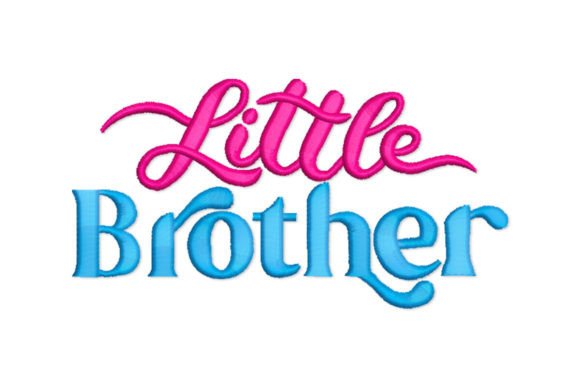
The moment I opened the preview for Little Brother, I was struck by its whimsical nature. The design features playful motifs paired with fonts that feel both modern and soft, perfectly capturing the joy of welcoming the youngest member of the family. For designers and crafters, visual mood is everything. This design does not scream for attention with aggressive boldness; instead, it invites warmth. It fits seamlessly into the niche of nursery decor and baby clothing, offering a delightful addition that feels personal rather than generic.
The detail level appears balanced. In many digital embroidery files, designers either overcrowd the space with too many elements or leave it too sparse. Little Brother strikes a middle ground. The motifs are distinct enough to be recognizable even at smaller sizes, which is crucial when working with limited hoop space. The typography complements the graphics without competing for dominance, creating a cohesive composition that reads well from a distance.
Practical Application in Real Projects
When I evaluate a new embroidery file, I immediately start brainstorming where it will sell best. For Little Brother, the applications are versatile. Here is how I envision this design performing across various handmade products:
- Baby Items: This is the most obvious fit. Think receiving blankets, onesies, and burp cloths. The playful theme resonates deeply with parents looking for a personalized gift.
- Custom Apparel: Sweatshirt embroidery is a huge market on Etsy. This design would look adorable on a toddler’s hoodie or a matching sibling shirt set.
- Tote Bag Design: A canvas tote featuring this motif makes for a practical and cute diaper bag or library bag for older siblings.
- Nursery Decor: Embroidered pillow covers or wall hangings can elevate a nursery’s aesthetic without breaking the budget.
- Embroidered Patch: If you digitize or adjust the borders correctly, this could work as a standalone patch for denim jackets or backpacks.
For small business owners and creative entrepreneurs, versatility equals profitability. A single Creative Fabrica embroidery purchase that works on multiple product types increases your return on investment. However, versatility also requires careful technical execution.
Technical Considerations for Stitching
Before running this design on a customer’s expensive garment, there are several technical factors to consider. While the product description highlights whimsical fonts and playful motifs, it does not specify stitch counts or exact dimensions. Therefore, due diligence is required.
Hoop Size and Scaling: Always check the available sizes in the download package. If you plan to stitch this on a cap or a small baby hat, ensure the smallest version retains legibility. Tiny lettering can become illegible if scaled down too far, especially with complex font styles. I recommend stitching a test run on scrap fabric to verify that the text remains crisp.
Fabric and Stabilizer Selection: The type of fabric dramatically affects the outcome. For stretchy fabrics like jersey knits used in t-shirts, a cut-away stabilizer is non-negotiable to prevent distortion. For woven fabrics like kitchen towels or aprons, a tear-away might suffice, but given the potential density of fill stitches in the motifs, I would lean toward a medium-weight cut-away for stability. If you are working with textured fabric, such as terry cloth towels, ensure the design has enough contrast and size to stand out against the pile.
Stitch Density and Types: Look closely at the preview images for indications of satin stitch versus fill stitch usage. Satin stitches provide a shiny, smooth finish ideal for borders and text, while fill stitches cover larger areas. High stitch density can cause puckering on lightweight fabrics. If the design appears dense, consider using a water-soluble topping to keep the stitches from sinking into plush fabrics like minky or fleece.
Thread Colors: The charm of Little Brother lies in its softness. Avoid harsh, neon thread colors unless specifically requested. Pastels, muted earth tones, or classic primary colors work best. Always check thread color contrast against your fabric. A light design on dark fabric may require an underlay or a backing patch to ensure visibility.
Enhancing Product Value and Brand Consistency
Using high-quality design assets like Little Brother can significantly impact your brand perception. Buyers on platforms like Etsy or at local craft fairs are drawn to professionalism. A clean, well-stitched design suggests attention to detail. When you present a finished product that looks polished, you build buyer trust.
Consider the photography aspect. A well-executed embroidery piece photographs beautifully. Use natural light to highlight the texture of the threads. Create printable mockups if you are selling digital versions, or stage physical products in lifestyle settings. For example, photograph the embroidered sweatshirt on a child playing in a park, or the tote bag filled with baby essentials. These visuals drive customer engagement and help buyers visualize the item in their own lives.
Furthermore, consistency matters. If your shop specializes in family-themed items, adding Little Brother to your lineup strengthens your niche authority. It allows you to offer coordinated sets, such as "Big Sister" and "Little Brother" pairs, which often sell at a higher margin than single items.
Commercial Use and Licensing Checks
One of the most critical steps before selling any commercial embroidery product is verifying the license. Creative Fabrica generally offers generous commercial use terms, but these can vary by designer. Before listing your finished products, navigate to the product page and read the license details carefully. Ensure that you are compliant with any restrictions regarding mass production or digital resale.
Remember, you are selling the physical embroidered item, not the digital file itself, unless explicitly stated otherwise. Protect your business by keeping records of your downloads and licenses. This practice safeguards you against copyright issues and ensures you can confidently market your handmade goods.
Final Verdict for Embroiderers
In summary, Little Brother is a strong contender for designers focusing on family-oriented niches. Its whimsical aesthetic and versatile application make it suitable for a wide range of projects, from baby blankets to custom apparel. However, success depends on your technical execution. Test on scrap fabric, choose the right stabilizer, and pay attention to thread contrast.
For Etsy sellers and boutique owners, this design offers a quick way to expand your product line with minimal risk. It captures an emotional connection that buyers love, making it a valuable asset in your library of design assets. Just remember to verify the specific file formats and hoop sizes included in the download to ensure they match your machine’s capabilities. With careful preparation, this design can become a staple in your seasonal offerings and everyday collections.